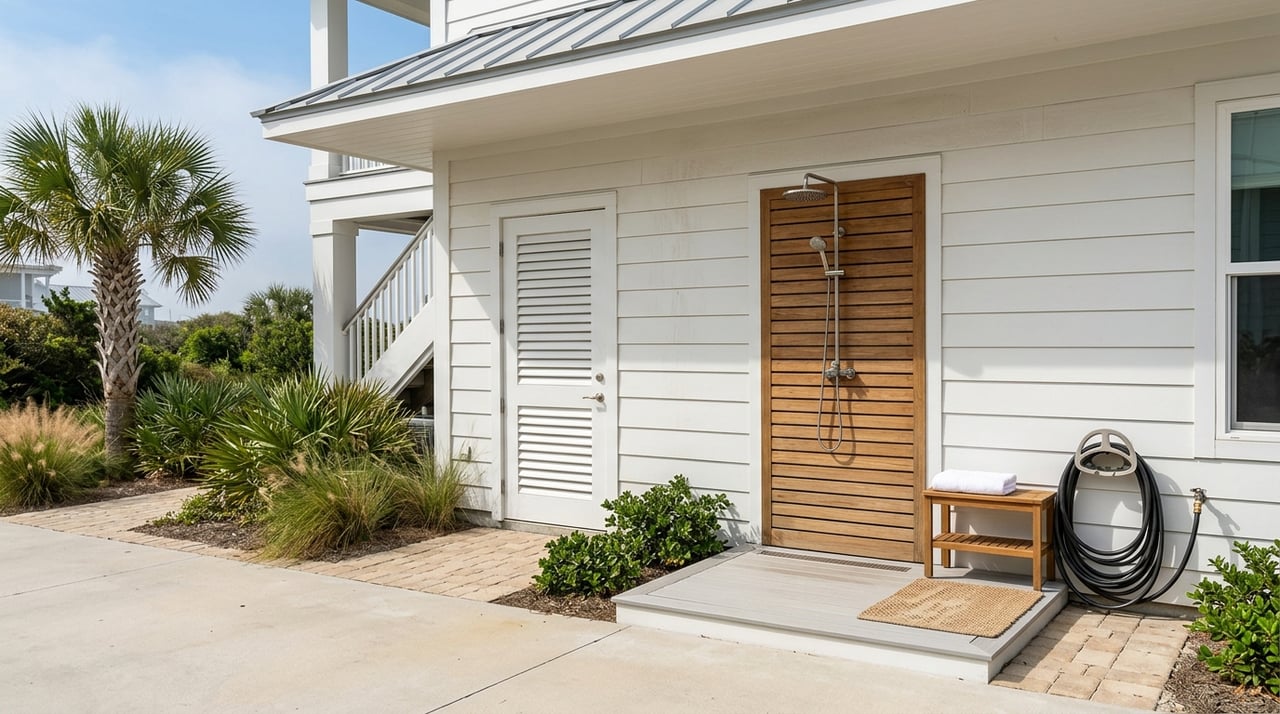
What’s it really like to live on Pensacola Beach after the vacation ends? If you have ever imagined stepping outside to salt air, quick walks to the water, and sunset views that feel unreal on a Tuesday, you are not alone. But full-time life here also comes with routines, tradeoffs, and a few local rules that make the island very different from the mainland. Let’s dive in.
Pensacola Beach feels different by design
Pensacola Beach is not just another coastal community with beach access nearby. It is an unincorporated barrier-island community in Escambia County, managed under the Santa Rosa Island Authority, with about 2,000 residents spread across roughly eight miles and 1,474 acres.
That setup shapes daily life in ways many buyers do not expect. Land on Pensacola Beach cannot be purchased in the usual fee-simple way. Instead, properties are on leased land, with leases that can run up to 99 years, and the island itself is split roughly between public-use land and leased residential or commercial land.
For you as a resident, that creates a living experience that feels more curated and more regulated than a typical mainland subdivision. The Santa Rosa Island Authority also reviews improvements to leasehold property, so renovation and construction projects come with another layer of approval before work begins.
Island life happens in pockets
One of the easiest ways to understand everyday life on Pensacola Beach is to stop thinking in formal neighborhood names. Most locals experience the island in practical pockets based on access, activity level, and how they spend a normal day.
Core area near Quietwater
The walkable center around Quietwater Beach, the Boardwalk, and Casino Beach feels the most social and service-rich. Quietwater Beach sits on the sound side with shallow water, and the nearby Boardwalk acts as the island’s main shopping, dining, and entertainment hub.
If you want a lifestyle where you can walk out for coffee, a casual meal, or a short waterfront stroll, this part of the beach offers the most built-in convenience. It tends to feel more active because many of the island’s everyday amenities cluster here.
East end near Portofino
The east end around Portofino feels more resort-oriented. Portofino itself sits on 28 acres between the Gulf and the sound and includes towers, pools, and other high-amenity features that help define the area’s character.
If you picture a polished coastal environment with a strong resort feel, this side of the island often matches that expectation. At the same time, it is still very much part of a barrier-island routine, with the same weather, access, and leasehold realities as the rest of Pensacola Beach.
West end near Park West
The west end around Park West and toward Fort Pickens feels quieter and more park-like. Park West Sound Side offers calmer water, and Fort Pickens adds trails, birdwatching, camping, and year-round visitor access.
If your ideal beach life looks less like a busy vacation strip and more like open space and a slower pace, this side may feel like a better fit. Many residents are drawn to that lower-key rhythm.
Daily errands are easy, but not fully mainland-easy
Living on Pensacola Beach can be convenient, but it is important to define what kind of convenience you are getting. On-island living works well for quick needs, short outings, and walkable beach-day routines.
You can handle small errands close to home in some areas. The Local on Via de Luna offers coffee, deli food, groceries, snacks, beach essentials, and wine or spirits, which helps with day-to-day convenience.
Still, full grocery trips and pharmacy runs often mean heading over the bridge. Nearby options in Gulf Breeze include Publix Sea Shell Collections and Walmart Neighborhood Market, both of which list pharmacy services.
For many full-time residents, that means daily life can feel wonderfully simple on some days and very normal on others. You may walk to the beach in the morning, then make a practical off-island errand run later that afternoon.
The bridge becomes part of your routine
If you live on Pensacola Beach, the Bob Sikes Bridge is part of everyday logistics. Off-island travel usually starts there, whether you are heading to appointments, bigger stores, or other parts of the Pensacola area.
Current guidance says tolling is electronic. With Toll-by-Plate, the toll is $1 per crossing plus a $2.50 monthly administration fee for the billing cycle, and an annual pass is available for extended stays.
That may not sound dramatic, but it is one of those details that helps define true island living. You do not just live near Pensacola. You live on a barrier island with a physical and mental transition between beach life and mainland errands.
You can have more car-light days than expected
Pensacola Beach is more transit-friendly than many people expect from a small island community. During the season, the free trolley serves more than 30 stops and runs eastern, western, and commercial-core routes.
The route pattern reflects how the island actually works. One route runs from Casino Beach to Portofino, another from Casino Beach to Park West, and a core route connects Casino Beach to the Grand Marlin area.
Peak-season service runs daily from late afternoon into the night, which can make dinners, events, and social outings easier without moving your car. ECAT also provides county bus service, so residents can mix beach trolley use with broader county transportation when needed.
There is also the seasonal Pensacola Bay City Ferry, which connects Downtown Pensacola, Quietwater Boardwalk, and Fort Pickens on a Friday-through-Sunday schedule from March to October. For some residents, that adds a fun and practical option for certain outings.
Summer crowds are real
The postcard version of Pensacola Beach is real, but so is the seasonal traffic. The island gets busier during peak visitor periods, and that affects how you plan your day even if you live there full time.
This is especially true on event weekends. Official guidance for the 2026 Pensacola Beach Air Show warns of extreme traffic and congestion, with parking shifts and temporary trolley-stop changes during the busiest hours.
For residents, the adjustment is less about frustration and more about timing. You learn when to leave early, when to stay put, and when certain parts of the island will feel much more crowded than usual.
Weather shapes your routines
Pensacola’s climate helps explain why so many people want to live near the water. The annual mean temperature is 69.4°F, with summer mean highs in the low 90s and mild winters compared with many other parts of the country.
But everyday life also means living with the Gulf Coast pattern in full. Summers are hot, humid, and rain-prone, and June through August is the wettest stretch of the year.
If you live here, you get used to adjusting plans around heat, storms, and fast-changing skies. Morning walks, evening outings, and weather apps become part of your normal rhythm.
Hurricane season is part of real resident life
On Pensacola Beach, storm awareness is not a once-a-year topic. It is part of responsible ownership and full-time living.
The Atlantic hurricane season runs from June 1 through November 30. The Santa Rosa Island Authority states that Pensacola Beach is subject to coastal storm and flooding hazards, and that the island is 100% within a Special Flood Hazard Area.
That means weather monitoring, flood awareness, and evacuation planning are part of the routine, especially in late summer and fall. Residents often think ahead about elevation, storm preparation, and how quickly they can act if conditions change.
Ownership works differently here
One of the biggest differences between living on Pensacola Beach and living on the mainland is the ownership structure. On the island, land cannot be purchased outright. Instead, property is held through a leasehold structure, often with long-term leases.
That matters because it affects how you evaluate a property, how you budget, and how you think about long-term plans. It is not necessarily a drawback, but it is a different framework that deserves careful attention if you are considering a purchase.
It also affects improvements. The Santa Rosa Island Authority says all improvements to leasehold property require review and approval, so remodeling, additions, and other changes involve island-specific steps before work begins.
Budgeting means looking beyond price alone
The cost of living on Pensacola Beach is not only about the home price. The island’s setup creates a few budget lines that buyers should expect to examine closely.
Flood insurance is a major one. Because the Santa Rosa Island Authority states that all of Pensacola Beach is within a Special Flood Hazard Area, flood insurance becomes a central consideration for many owners, especially if a government-backed mortgage is involved.
You may also need to think about bridge tolls, storm preparedness, maintenance tied to a coastal environment, and any approval-related timelines for property improvements. In other words, the lifestyle is special, but it comes with real operating details.
The best fit depends on your version of beach life
Pensacola Beach can be a great fit if you want more than a vacation backdrop. It offers quick access to sand, sound, dining, and waterfront recreation, while still giving you distinct living environments from the social core to the quieter west end.
At the same time, successful full-time living here usually comes down to expectations. If you understand the leasehold model, seasonal traffic, off-island errand pattern, and flood-focused planning, you can make a much more confident decision.
That is where local guidance matters. If you are thinking about buying or selling on Pensacola Beach, working with someone who understands both the lifestyle and the logistics can help you move forward with fewer surprises. When you are ready to talk through the island’s day-to-day realities and what they mean for your goals, connect with Kathryn Paro.
FAQs
What is daily life like on Pensacola Beach for full-time residents?
- Daily life on Pensacola Beach often blends walkable beach access and casual on-island convenience with regular off-island trips for larger grocery, pharmacy, and service needs.
How does property ownership work on Pensacola Beach?
- Pensacola Beach uses a leasehold structure, which means land is not purchased outright and many properties are held through long-term leases that can run up to 99 years.
What should buyers know about flood risk on Pensacola Beach?
- The Santa Rosa Island Authority states that the entire island is within a Special Flood Hazard Area, so flood awareness and insurance are important parts of ownership.
How do residents get around Pensacola Beach without driving everywhere?
- During the season, residents can use the free trolley with routes serving the east end, west end, and commercial core, and ECAT also provides county transit service.
What areas of Pensacola Beach feel the most different day to day?
- The core around Quietwater and the Boardwalk feels more social and walkable, the east end near Portofino feels more resort-oriented, and the west end near Park West and Fort Pickens feels quieter and more park-like.
What everyday costs should buyers expect on Pensacola Beach?
- In addition to the home itself, buyers often need to plan for flood insurance, bridge tolls, coastal maintenance, and any approval-related steps tied to property improvements.
