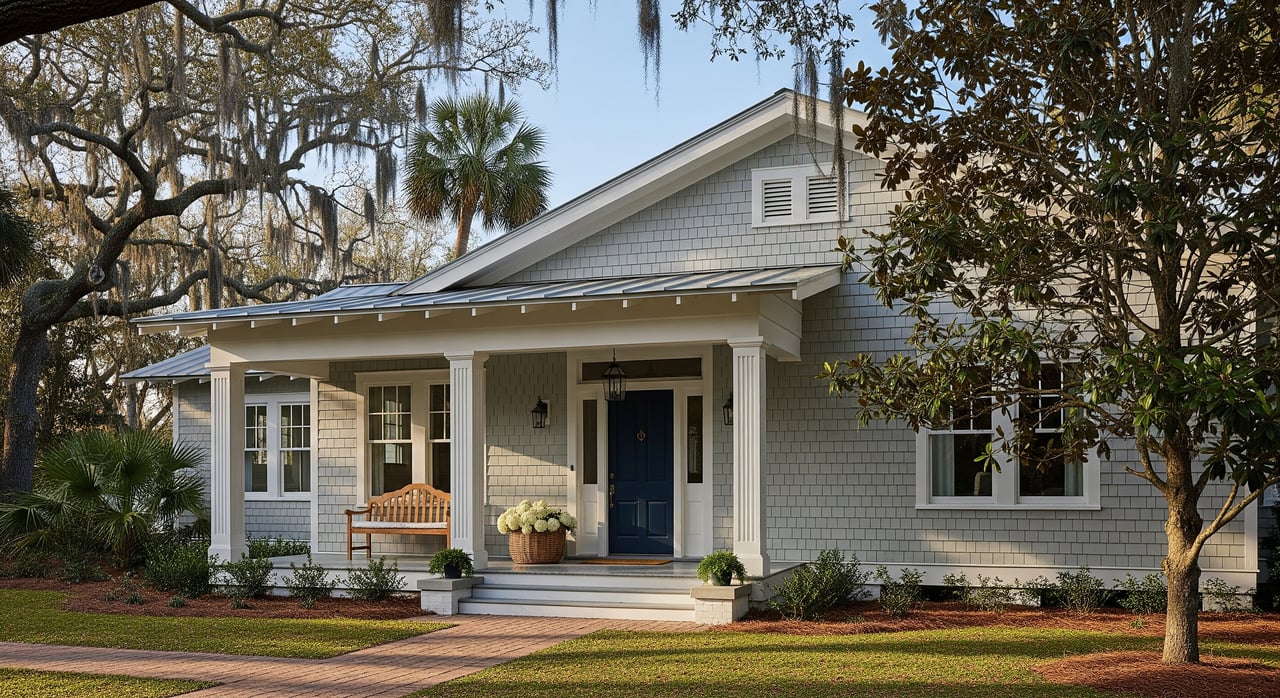
Buying your first home in East Hill can feel exciting and a bit overwhelming. You want a charming place close to downtown Pensacola, but you also want to avoid surprises during inspections and closing. This guide walks you through the East Hill landscape, what to expect from older homes, and the exact steps from offer to keys so you can move forward with confidence. Let’s dive in.
Why East Hill attracts first-time buyers
East Hill is one of Pensacola’s classic, in-town neighborhoods. You will see tree-lined streets, front porches, local parks, and a quick drive to downtown amenities. The area is primarily single-family homes with a few small multifamily buildings and local retail along major corridors.
Market posture
Inventory in established neighborhoods like East Hill is often tight. Well-presented homes can move quickly, and competition can be stronger than in some suburban areas. Exact pricing and days on market change often, so plan to review current MLS or local market summaries with your agent before you write an offer.
What you will see in East Hill homes
Common styles and ages
- Early 20th century bungalows and Craftsman homes, often built in the 1920s to 1940s.
- Mid-century cottages and ranch homes from the 1940s to 1960s.
- Later infill and renovated properties from the 1990s to today, though these are less common.
- A few small duplexes or converted multi-unit buildings in certain pockets.
Age-related items to watch
Older homes have character, and they also come with systems to check carefully during inspections. Common items inspectors note include:
- Electrical: older knob-and-tube or ungrounded two-prong outlets in very old homes, and aluminum wiring in some mid-century houses.
- Plumbing: galvanized steel supply lines in older homes, with copper or PEX appearing in later renovations.
- Structure and foundation: Florida slab foundations are common. Inspect for settlement and moisture issues, especially in older properties.
- Roofs and exterior: asphalt-shingle life varies by material and age. Inspect for age, flashing, and wood rot on trim and porches.
- Termites and WDO: Florida’s climate increases risk for wood-destroying organisms. Lenders often request a WDO report.
- Lead-based paint: homes built before 1978 may contain lead-based paint. Federal lead disclosure and a buyer pamphlet apply to these properties.
Historic character and permits
Original windows, doors, and trim can be part of East Hill’s appeal. If you plan updates, ask your agent to help you confirm whether local historic or permitting rules apply. Your title company or agent can also request past permit records when available.
Your step-by-step path from offer to closing
In Florida, most residential deals use a standardized contract that outlines key protections for you, including inspection, financing, appraisal, and title review. Here is a typical timeline so you know what happens when.
Day 0: Offer accepted
- Deliver your earnest money deposit to the escrow or title company as the contract describes.
- Apply for your mortgage immediately if you are financing.
- Line up inspections right away.
Days 1–7: Inspection window begins
- Schedule a general home inspection. If you want a refresher on scope, review what to expect in a home inspection from a professional organization like InterNACHI’s overview.
- Order a WDO inspection. Florida lenders commonly require it. You can learn about WDO inspections and licensing through the Florida Department of Agriculture and Consumer Services.
- Add specialized inspections if needed based on property age and features. Common examples are roof, HVAC, sewer scope, mold, or pool.
- Your title company begins the title search.
Days 7–10: Inspection decisions
- Review reports and decide whether to request repairs or credits, or to proceed as-is according to your contract.
- The seller responds, then you accept, negotiate, or cancel if your contract allows.
Days 10–21: Appraisal and underwriting
- The lender orders the appraisal and continues underwriting. Be ready to send updated documents quickly.
- If the appraisal is below the contract price, you and the seller can negotiate, you can bring additional funds to closing, or you may cancel if your contract permits.
Days 21–35: Final approval and title clearance
- Your lender issues final loan approval once all conditions are met.
- The title company clears any liens or issues and prepares your closing statement. If needed, a survey is ordered and HOA documents are reviewed.
- Secure homeowners insurance, and if the property is in a flood zone, purchase flood insurance. Lenders require proof of coverage before closing.
- Your lender must provide your Closing Disclosure at least 3 business days before closing. Review every line and ask questions promptly.
Final days: Walk-through and closing
- Complete your final walk-through 24 to 72 hours before closing to confirm condition and agreed repairs.
- Sign closing documents at the title company. You will bring your down payment and closing funds, then the deed records and you receive keys.
Key Florida contract protections to understand
Inspection contingency
Your contract sets an inspection period and your rights during it. Use this time to complete a general inspection, a WDO report, and any specialty inspections. Submit repair requests or credits within the deadline.
Financing and appraisal
A financing contingency protects you if your loan is denied within the agreed timeline. An appraisal contingency addresses what happens if the appraisal is short. Your agent will help you follow the form’s notice requirements and dates.
Title and survey
The title company examines the property’s title and identifies liens, easements, or encroachments that must be resolved. You may also order a survey, especially helpful for older lots. Survey results can affect closing if they reveal boundary issues.
Disclosures and HOA
Sellers commonly complete a property disclosure about known conditions. For homes built before 1978, federal lead disclosures apply. East Hill is mostly single-family and not governed by a master HOA, though some areas may have small associations. If an HOA applies, request rules, budgets, and any pending assessments early.
Insurance, flood zones, and closing costs
Older homes can require extra attention on insurance. Start quotes early so your lender has proof of coverage before closing. If the property sits in a Special Flood Hazard Area, you will need a flood policy. Check your specific flood zone using FEMA’s Flood Map Service Center, then ask an insurance agent for a firm quote.
Typical buyer closing costs include lender fees, title insurance, recording fees, prorated taxes, inspections, and an optional survey. Exact amounts vary by loan type and price point. Your lender’s Loan Estimate and your Closing Disclosure will show your numbers in detail.
East Hill first-time buyer checklist
- Get preapproved, not just prequalified, so you can act fast on the right home.
- Work with an agent who knows East Hill’s historic inventory and local process.
- Book a general inspection and a WDO inspection as soon as your offer is accepted.
- Confirm the property’s flood zone and request a flood insurance quote if needed.
- Ask the listing agent for seller disclosures, any recent permits, and utility cost history.
- Budget for inspections, insurance, closing costs, and possible repairs.
Post-closing to-dos in Escambia County
- File your Florida homestead exemption if the home will be your primary residence. Visit the Escambia County Property Appraiser for eligibility and the typical March 1 filing deadline.
- Set up utilities, change locks, test smoke and CO detectors, and review any HOA rules if applicable.
- Keep your closing packet in a safe place, including your Closing Disclosure and title policy.
Local insights for East Hill buyers
- Competition can be stronger on well-priced homes. A clean, complete offer backed by a strong preapproval helps your position.
- Historic features are part of the charm. Plan for maintenance and energy-efficiency upgrades over time.
- Schedule WDO early. If treatment is needed, you will want time to coordinate with the seller during your inspection window.
- Confirm flood and insurance early. Some policies for older homes require added documentation or lead time to bind.
Ready to start in East Hill?
When you are buying your first home, clear steps and quick communication matter. If you want a hands-on guide through East Hill’s historic homes, inspections, contracts, and closing timeline, reach out to Kathryn Paro. Let’s map your next steps and make your first purchase a confident one.
FAQs
How much earnest money is typical for East Hill homes?
- Amounts vary by price point and current market conditions. Your contract will state the deposit and where it is held, so ask your agent for a local range before you write an offer.
Do I need a survey for an East Hill property?
- Your lender or title company may require a survey. For older parcels, a recent survey might not exist. A new survey can uncover encroachments or boundary issues that affect closing.
Are WDO or termite inspections required in Florida?
- State law does not mandate them for every sale, but lenders in Florida commonly require a WDO report. Order it early in your inspection period to avoid delays.
Will the seller pay some of my closing costs in Escambia County?
- Seller credits are negotiable. In competitive situations, sellers may resist large concessions. If you use FHA or VA financing, program limits can apply to seller contributions.
What if the inspection finds major problems in an East Hill home?
- Your options depend on your contract. You can request repairs, ask for a credit, renegotiate the price, or cancel within the inspection period if your contract allows.
How do I check the flood risk for a specific East Hill address?
- Use FEMA’s Flood Map Service Center to view the property’s flood zone, then ask your insurance agent for a flood quote and your title company for any available past claims information.
